Research Articles

The Platinum Problem: How Non-Noble Metals are Powering a Clean Energy Revolution
Discover how non-noble metal catalysts are replacing platinum in fuel cells, making clean energy more affordable and accessible through scientific innovation.
The Materials Revolution: How Cornell is Building the Fuel Cell of the Future
Explore how Cornell's Fuel Cell Institute is pioneering materials science to create the next generation of efficient, affordable fuel cells for clean energy.

The Hidden Architecture of Alloy Nanocatalysts: Unveiling Atomic Secrets for a Clean Energy Future
Explore the atomic arrangement of alloy nanosized catalysts and their role in clean energy technologies. Learn about characterization methods and future directions.
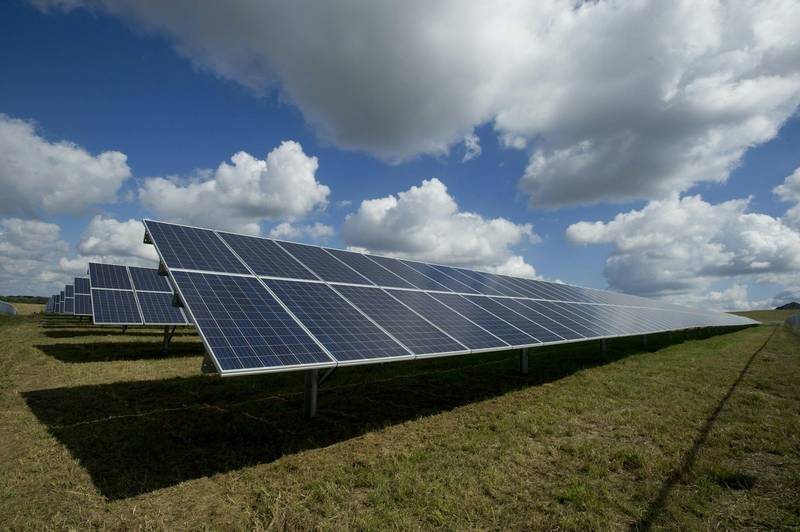
The Invisible Engine: How Computers Are Designing Better Solar Cells
Explore how first-principles computational modelling is accelerating the development of dye-sensitized solar cells and photoelectrosynthetic cells for clean energy.
The Rise of Nitrogen-Doped High-Entropy Alloys: The Secret to Efficient and Durable Clean Energy Catalysts
Discover how nitrogen-doped high-entropy alloys are revolutionizing electrocatalysis for clean energy technologies like fuel cells and metal-air batteries.
The Hidden World at the Catalyst's Edge: How Hierarchical Modeling is Unlocking Clean Energy
Explore how hierarchical modeling is revolutionizing electrocatalysis by revealing the hidden local reaction environment at catalyst surfaces, enabling breakthroughs in clean energy technology.
Pink Hydrogen: The Clean Energy Game Changer You've Never Heard Of
Discover how pink hydrogen, produced using nuclear energy, could revolutionize clean energy production and decarbonize heavy industry.

The Silent Revolution: How Catalytic Combustion is Cleaning Up Gas Turbine Technology
Explore how catalytic combustion technology is transforming gas turbine engines to reduce emissions and improve efficiency in power generation.
The Nano-Sized Powerhouse: How Faceted Ferrite Nanoparticles Could Revolutionize Clean Energy
Exploring how faceted MnxCo1-XFe2O4 nanoparticles prepared by induction-coupled plasma could transform clean energy technologies through efficient oxygen reactions.
The Silent Spark: How Electrocatalysis Powers Our Clean Energy Future
Exploring how electrocatalysis enables clean energy conversion through efficiency, selectivity, and stability in hydrogen production, fuel cells, and carbon neutrality.